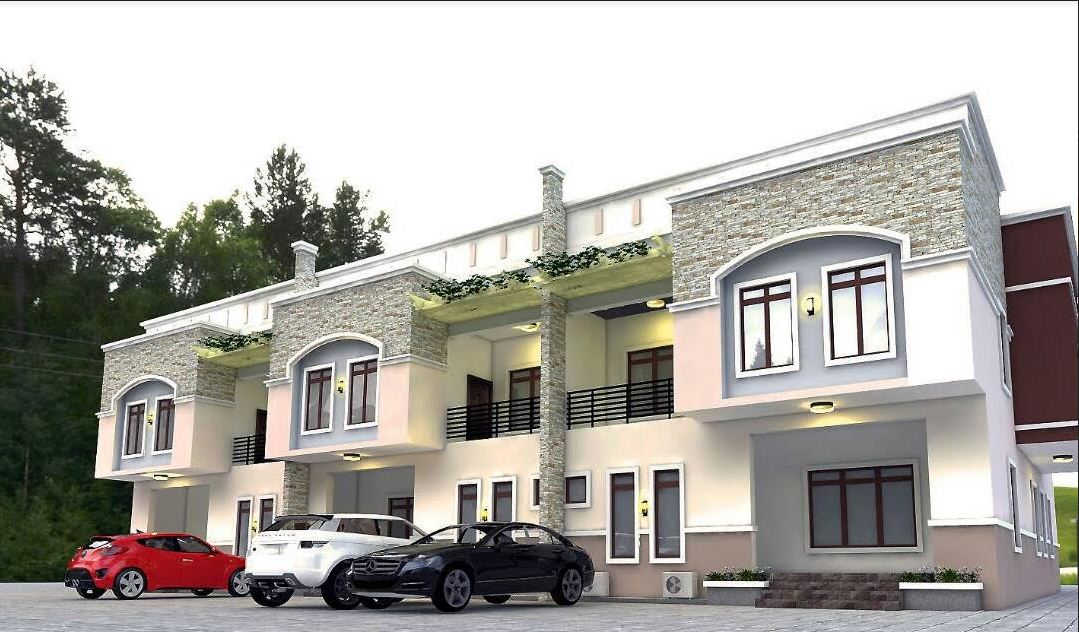
Understanding Mortgage Types in Nigeria
Jun 29, 2024
Buying a home is a significant financial commitment, and understanding the types of mortgages available in Nigeria is crucial for making an informed decision. Mortgages in Nigeria come in various forms, each designed to meet different financial situations and needs. This blog will explore the primary mortgage types available in Nigeria, their features, benefits, and how to choose the right one for you.
1. Fixed-Rate Mortgages
Overview: A fixed-rate mortgage has an interest rate that remains constant throughout the loan term. This means your monthly payments will not change, providing stability and predictability in your budgeting.
Benefits:
- Predictable Payments: Since the interest rate doesn’t change, you know exactly how much you will pay each month.
- Protection from Interest Rate Fluctuations: You are protected against rising interest rates, which can increase your mortgage payments in other types of loans.
Considerations:
- Higher Initial Rates: Fixed-rate mortgages might have higher initial interest rates compared to variable-rate options.
- Less Flexibility: If interest rates drop, you won’t benefit from lower payments unless you refinance your mortgage.
Best For:
- Borrowers who prefer consistency and predictability in their payments.
- Individuals planning to stay in their homes for a long time.
2. Variable-Rate Mortgages
Overview: Variable-rate mortgages (also known as adjustable-rate mortgages) have interest rates that can fluctuate based on changes in the market interest rates. The rates are typically lower initially but can increase or decrease over time.
Benefits:
- Lower Initial Rates: Often, the starting interest rate is lower than that of a fixed-rate mortgage, making initial payments more affordable.
- Potential Savings: If market interest rates decrease, your payments may also decrease.
Considerations:
- Payment Uncertainty: Your monthly payments can vary, making budgeting more challenging.
- Risk of Higher Payments: If interest rates rise, your payments can increase significantly.
Best For:
- Borrowers who expect their income to increase in the future.
- Individuals who plan to sell or refinance before the interest rate adjusts significantly.
3. Hybrid Mortgages
Overview: Hybrid mortgages combine features of both fixed-rate and variable-rate mortgages. Typically, they start with a fixed interest rate for a certain period (e.g., 5, 7, or 10 years) and then switch to a variable rate for the remainder of the loan term.
Benefits:
- Initial Stability: You get the predictability of a fixed rate initially, which can be useful for budgeting.
- Flexibility: After the fixed-rate period, you can benefit from potential decreases in interest rates.
Considerations:
- Uncertainty After Fixed Period: Once the fixed-rate period ends, your payments could increase.
- Complex Terms: Understanding the terms and potential adjustments can be more complicated than with traditional fixed or variable-rate mortgages.
Best For:
- Borrowers who plan to stay in their homes for a medium term (longer than the fixed-rate period but possibly not for the entire loan term).
- Individuals expecting a change in financial circumstances, such as increased income or moving homes.
4. Interest-Only Mortgages
Overview: With an interest-only mortgage, you pay only the interest on the loan for a specified period (typically 5-10 years). After this period, you begin paying both interest and principal, or you may have to pay off the entire principal as a lump sum.
Benefits:
- Lower Initial Payments: During the interest-only period, your monthly payments are significantly lower.
- Cash Flow Flexibility: This can be beneficial if you have fluctuating income or other financial commitments.
Considerations:
- Principal Repayment: Once the interest-only period ends, your payments can increase dramatically as you start repaying the principal.
- Equity Building: You do not build equity in your home during the interest-only period.
Best For:
- Borrowers with irregular income or those expecting significant income increases.
- Investors looking for lower payments in the short term with plans to sell the property before the interest-only period ends.
5. Federal Mortgage Bank of Nigeria (FMBN) Mortgages
Overview: The Federal Mortgage Bank of Nigeria (FMBN) offers mortgages through the National Housing Fund (NHF) scheme. These are specifically designed to help Nigerians, including those in the diaspora, access affordable housing finance.
Benefits:
- Low Interest Rates: NHF loans have significantly lower interest rates (around 6%) compared to commercial mortgages.
- Long Repayment Periods: Loans can be repaid over up to 30 years, making payments more manageable.
- Government Support: The scheme is backed by the Nigerian government, ensuring stability and reliability.
Considerations:
- Eligibility Requirements: Must be a registered contributor to the NHF and meet specific income and employment criteria.
- Limited Loan Amounts: There may be caps on the loan amount you can borrow.
Best For:
- Nigerians (both residents and those in the diaspora) seeking affordable housing finance.
- Individuals looking for long-term, stable mortgage options.
How to Choose the Right Mortgage
When deciding on a mortgage type, consider the following factors:
- Financial Situation: Assess your current and future income, savings, and financial obligations.
- Risk Tolerance: Determine how comfortable you are with potential fluctuations in interest rates and monthly payments.
- Loan Term: Consider how long you plan to stay in the property and your long-term financial goals.
- Market Conditions: Stay informed about current interest rates and economic forecasts, as these can impact mortgage terms and conditions.
Conclusion
Navigating the mortgage landscape in Nigeria can be complex, but understanding the different types of mortgages available can help you make an informed decision. Whether you prefer the stability of a fixed-rate mortgage, the potential savings of a variable-rate mortgage, or the unique benefits of an NHF loan, there's a mortgage option to suit your needs. By carefully considering your financial situation and long-term goals, you can choose the right mortgage and take a significant step toward home ownership in Nigeria.