Dynamics of Nigeria's Real Estate Market: Trends and Insights
Jun 29, 2024
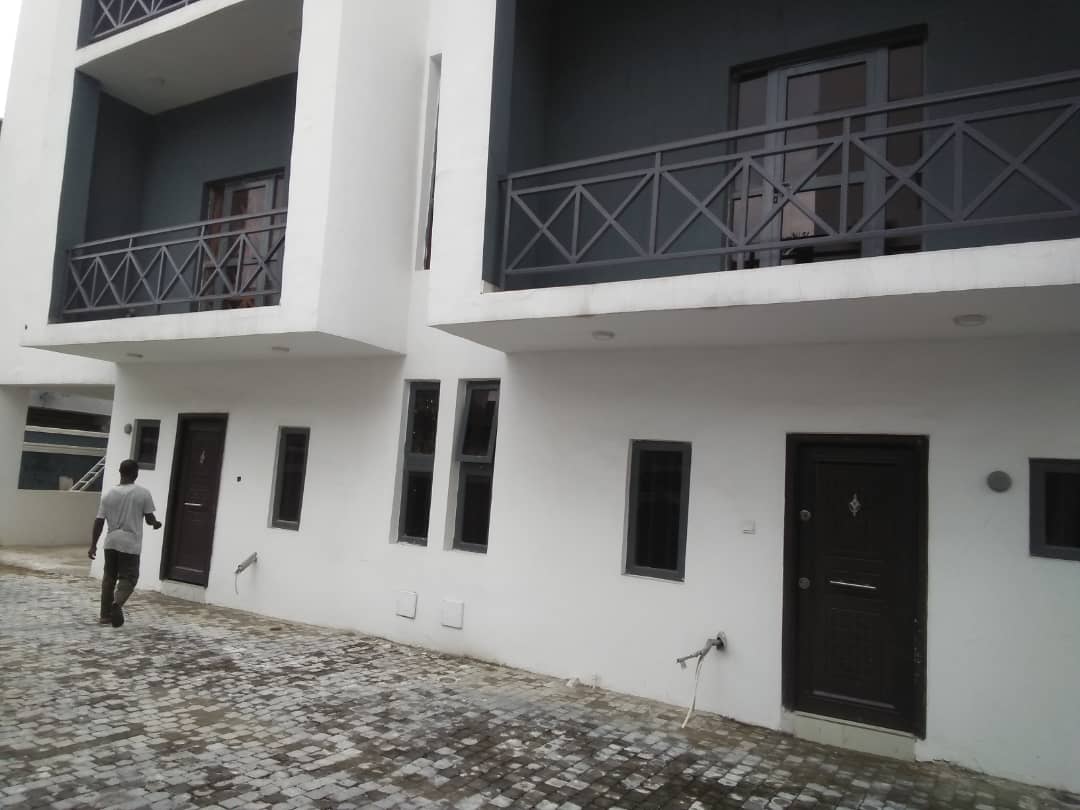
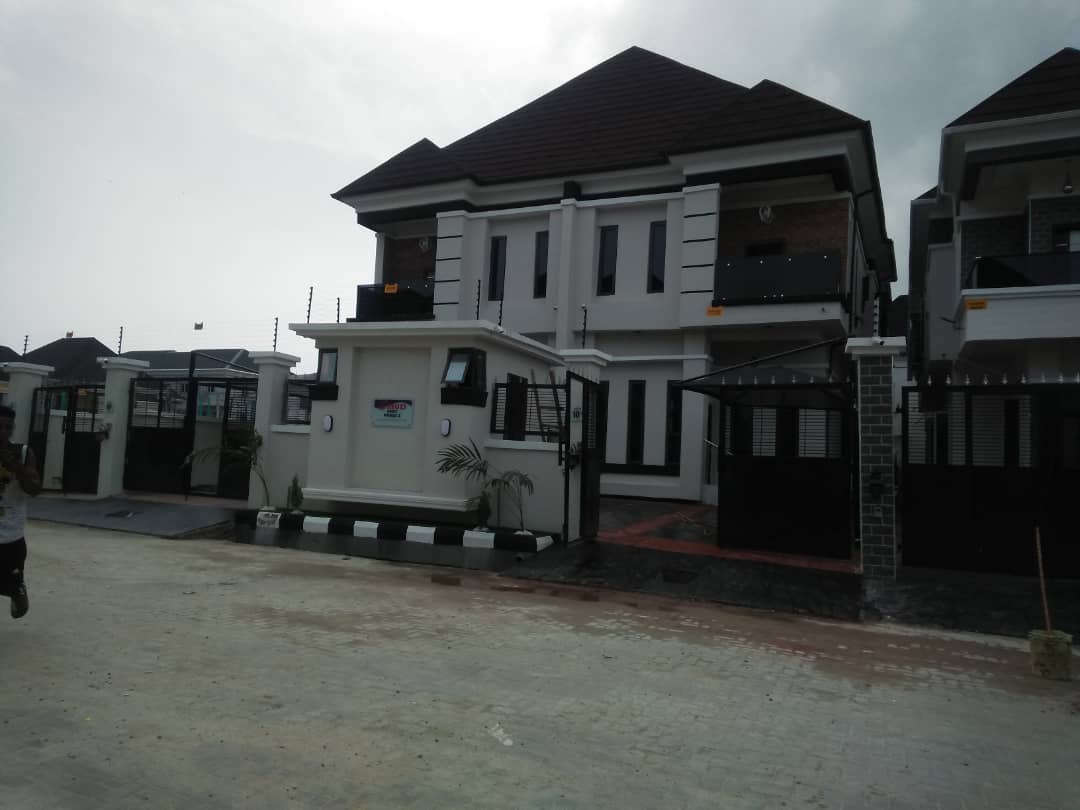
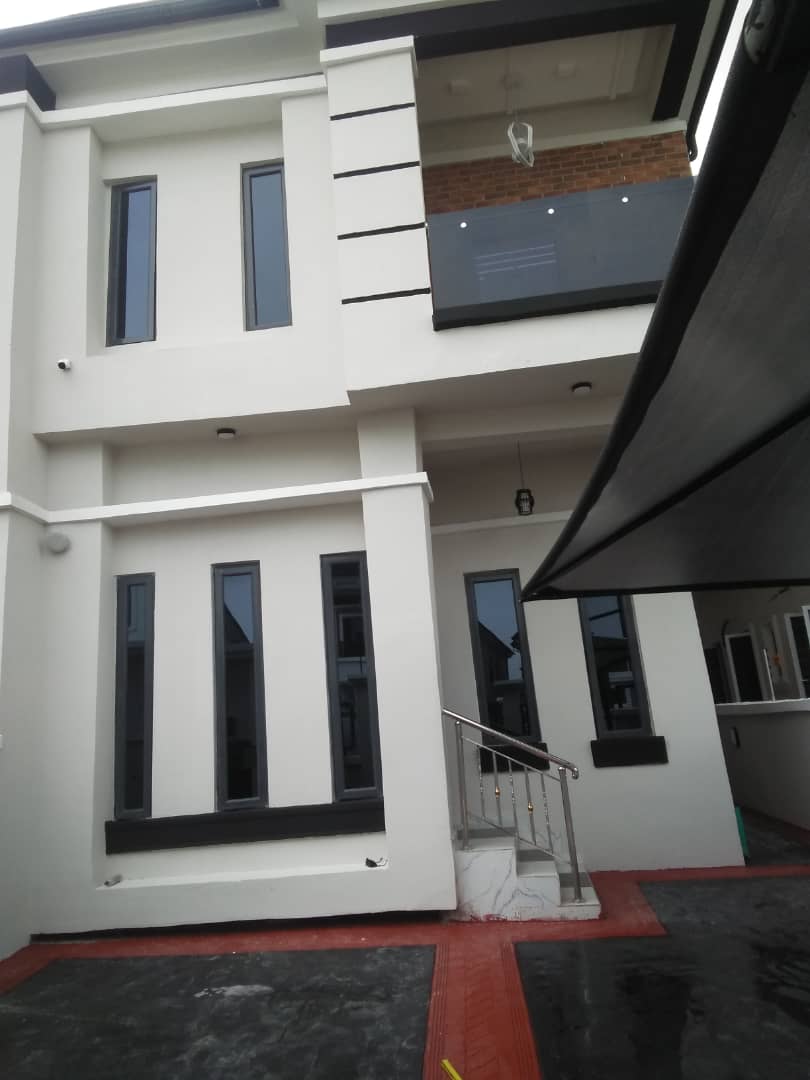
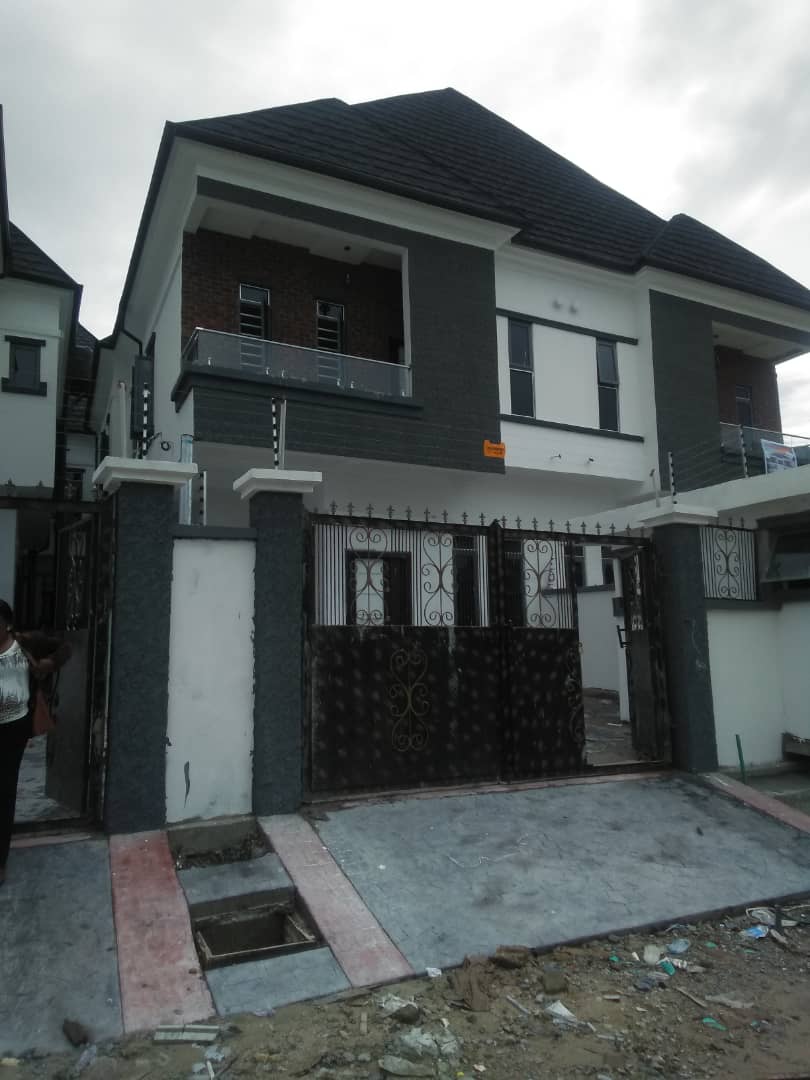
The real estate market in Nigeria is a dynamic and evolving sector that plays a crucial role in the country's economy. With a growing population, rapid urbanization, and increasing demand for housing and commercial spaces, Nigeria offers diverse opportunities and challenges for investors, developers, and stakeholders. This blog explores the key dynamics shaping Nigeria's real estate market, highlighting trends, challenges, and future prospects.
1. Urbanization and Population Growth
Key Drivers:
Implications:
2. Investment Opportunities in Residential Real Estate
Key Segments:
Market Dynamics:
3. Commercial Real Estate Landscape
Key Sectors:
Challenges:
4. Government Policies and Initiatives
Key Initiatives:
Impact:
- Regulatory Environment: Investors navigate complex land tenure systems, property registration processes, and compliance with regulatory frameworks to secure property rights and permits.
5. Technology and Innovation
Emerging Trends:
Conclusion
Nigeria's real estate market presents dynamic opportunities and challenges shaped by urbanization, population growth, government policies, and technological advancements. Investors and stakeholders must navigate market complexities, leverage emerging trends, and adopt innovative approaches to capitalize on the country's evolving real estate landscape. By understanding market dynamics, embracing sustainable practices, and fostering strategic partnerships, stakeholders can contribute to the growth and resilience of Nigeria's vibrant real estate sector while meeting the diverse needs of urban residents and businesses alike.
Green Building Initiatives: Sustainable building practices and green certifications gain traction, promoting energy efficiency and environmental conservation in real estate developments.
PropTech Advancements: Technology-driven solutions, such as property listing platforms, virtual tours, and digital payment systems, streamline real estate transactions and enhance market transparency.
Infrastructure Development: Public-private partnerships (PPPs) focus on infrastructure projects, including road networks, bridges, and utilities, to support urban growth and real estate investments.
Housing Programs: The Nigerian government implements housing schemes and mortgage refinancing initiatives to increase homeownership and affordability.
Market Volatility: Economic fluctuations, regulatory changes, and currency devaluation impact commercial real estate investments and leasing activities.
Infrastructure Deficiencies: Limited access to reliable electricity, water, and transportation infrastructure poses challenges for commercial property developers and investors.
Retail Centers: Shopping malls and retail outlets cater to Nigeria's burgeoning consumer market, offering diverse retail experiences and entertainment options.
Office Spaces: Demand for modern office spaces continues to grow, driven by multinational corporations, startups, and SMEs expanding their operations in urban centers.
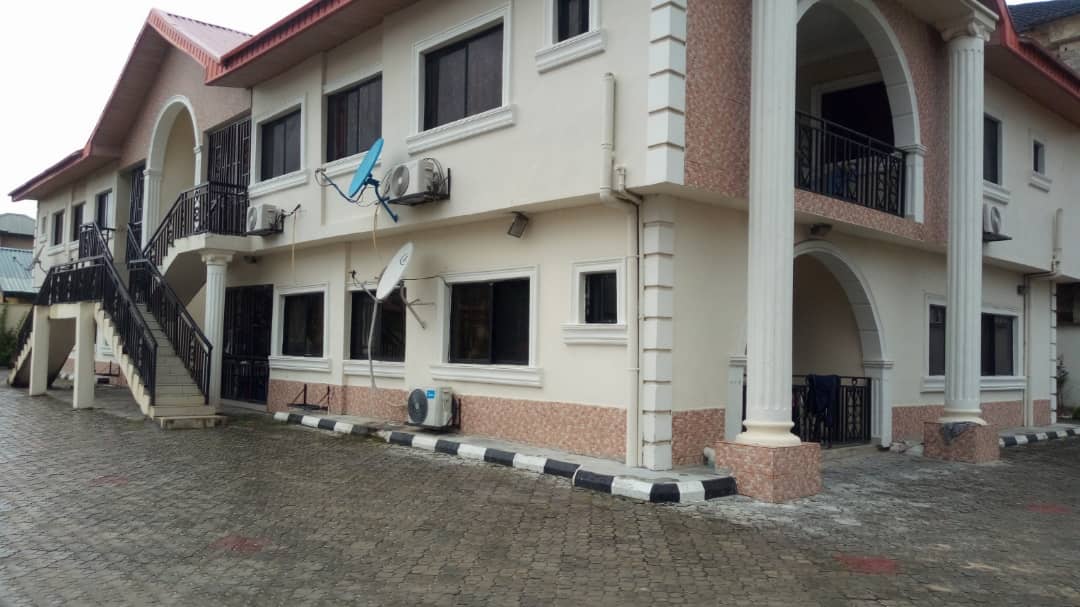
Rental Market: The rental market remains robust, offering landlords steady rental income amidst high demand for residential accommodation.
Property Appreciation: Well-positioned residential properties in urban centers experience steady appreciation in value, making them attractive for long-term investment.
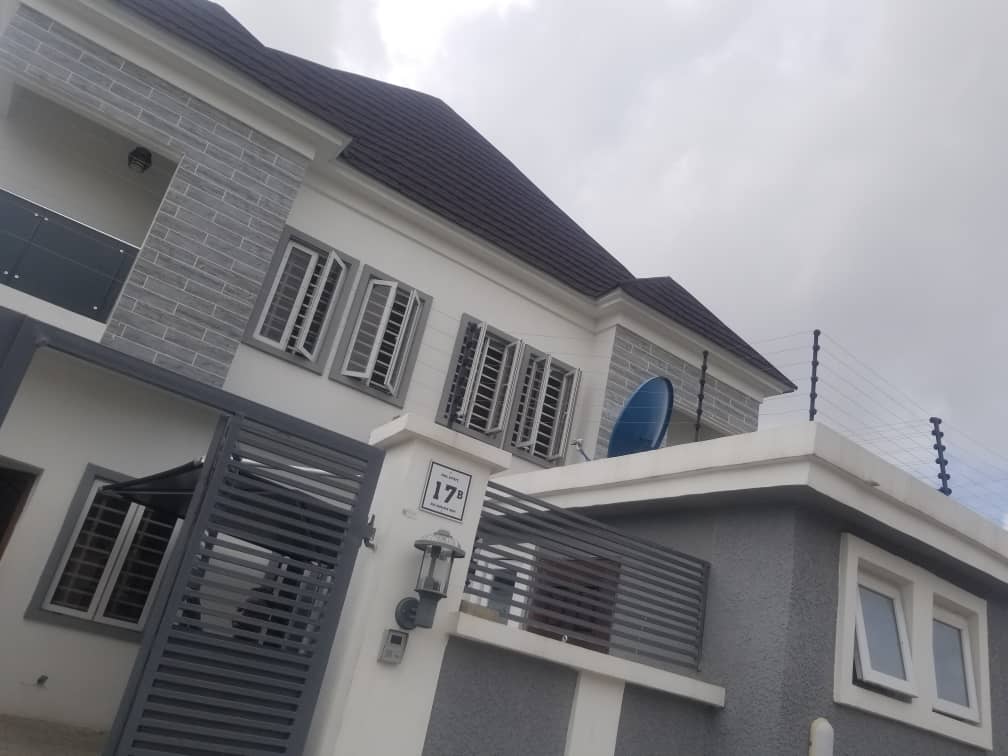
Luxury Developments: High-net-worth individuals and expatriates drive demand for luxury apartments, penthouses, and gated communities in prime locations.
Affordable Housing: There is a critical need for affordable housing units to accommodate Nigeria's expanding middle class and urban population.
Infrastructure Needs: Urban expansion necessitates investments in infrastructure, including roads, utilities, healthcare facilities, and educational institutions, to support sustainable urban development.
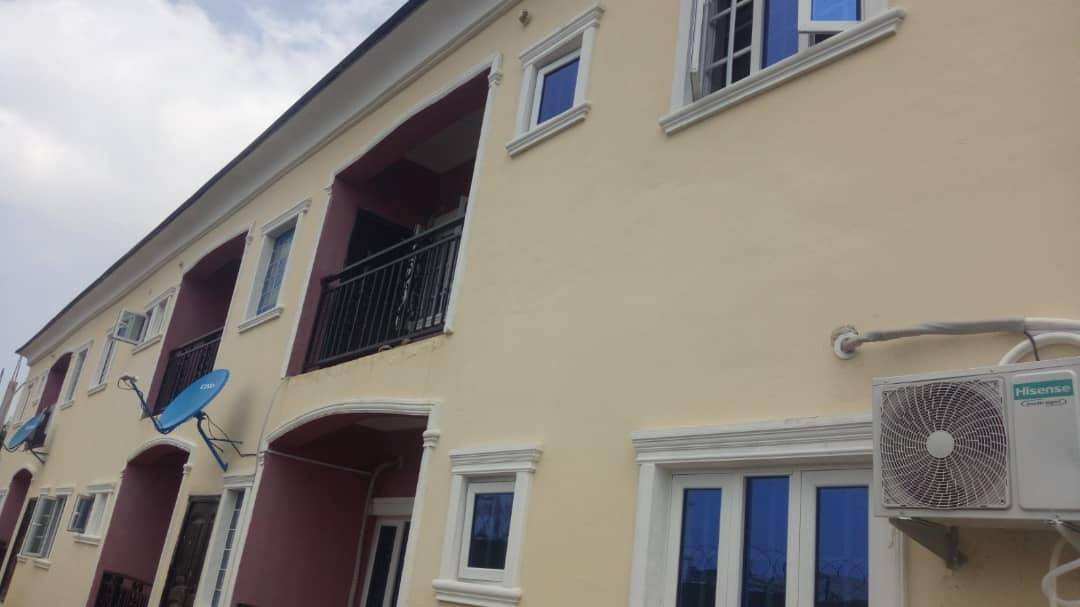
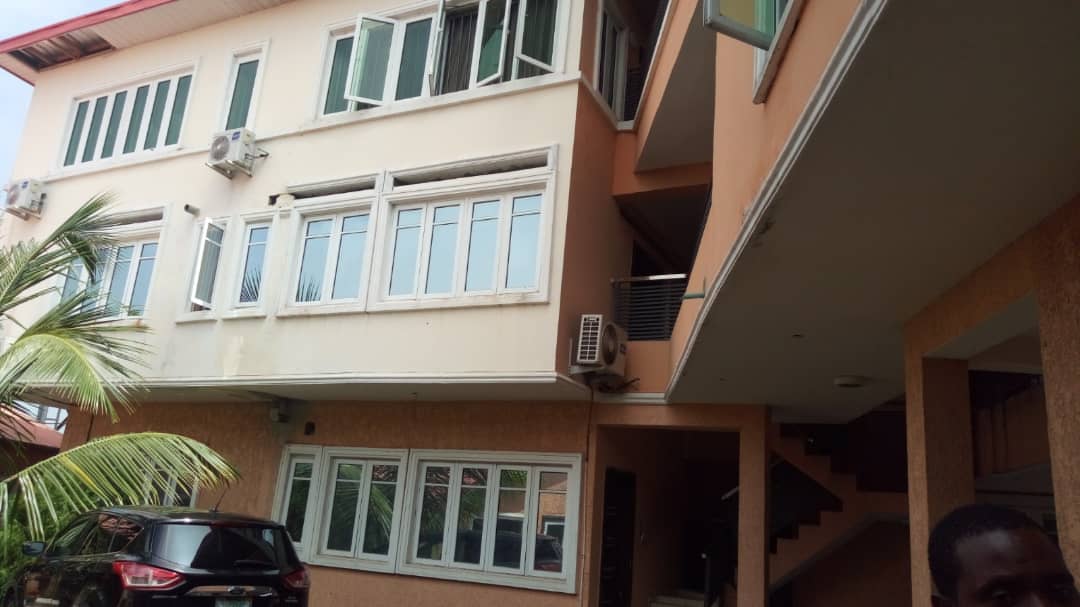
Housing Demand: Urban centers face a significant housing deficit, creating opportunities for real estate developers to meet the growing demand for affordable and luxury housing solutions.
Urban Migration: Rapid urbanization continues to transform major cities like Lagos, Abuja, Port Harcourt, and Kano into bustling economic hubs. Urban migration fuels demand for affordable housing, retail spaces, and amenities.
Population Growth: Nigeria has one of the fastest-growing populations globally, expected to reach over 400 million by 2050. This demographic trend drives demand for residential housing, commercial properties, and infrastructure development.