Real Estate Investing in Nigeria: Opportunities and Considerations
Jun 29, 2024
Real estate investing in Nigeria presents abundant opportunities for both domestic and international investors. With a growing population, urbanization trends, and increasing demand for housing and commercial spaces, the Nigerian real estate market offers potential for significant returns. This blog explores the dynamics of real estate investing in Nigeria, highlighting opportunities, challenges, and key considerations for prospective investors.
Overview of the Nigerian Real Estate Market
Market Dynamics
Nigeria's real estate market is diverse and dynamic, encompassing residential, commercial, retail, and industrial properties. Major cities like Lagos, Abuja, Port Harcourt, and Kano drive much of the market activity, attracting both local and international investors.
Demand Drivers
- Population Growth: Nigeria has one of the fastest-growing populations globally, driving demand for residential housing.
- Urbanization: Rapid urbanization leads to increased demand for commercial and retail spaces in urban centers.
- Infrastructure Development: Government investments in infrastructure projects stimulate real estate growth, particularly in transportation and utilities.
Investment Avenues
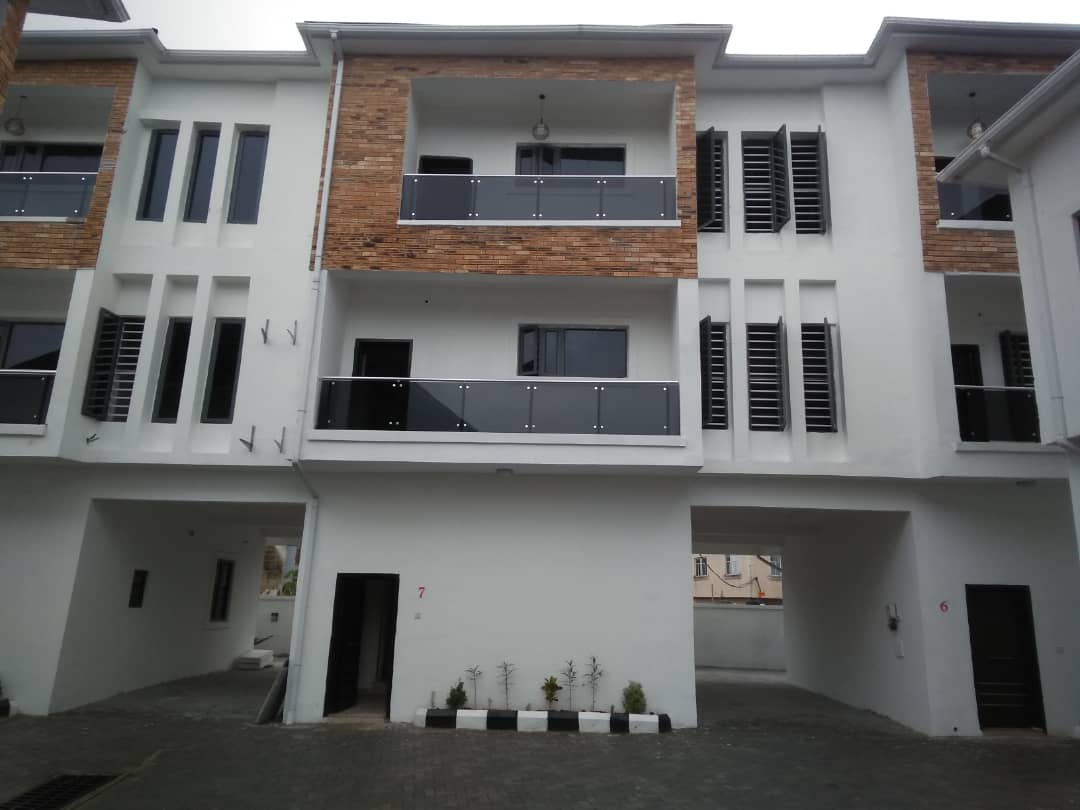
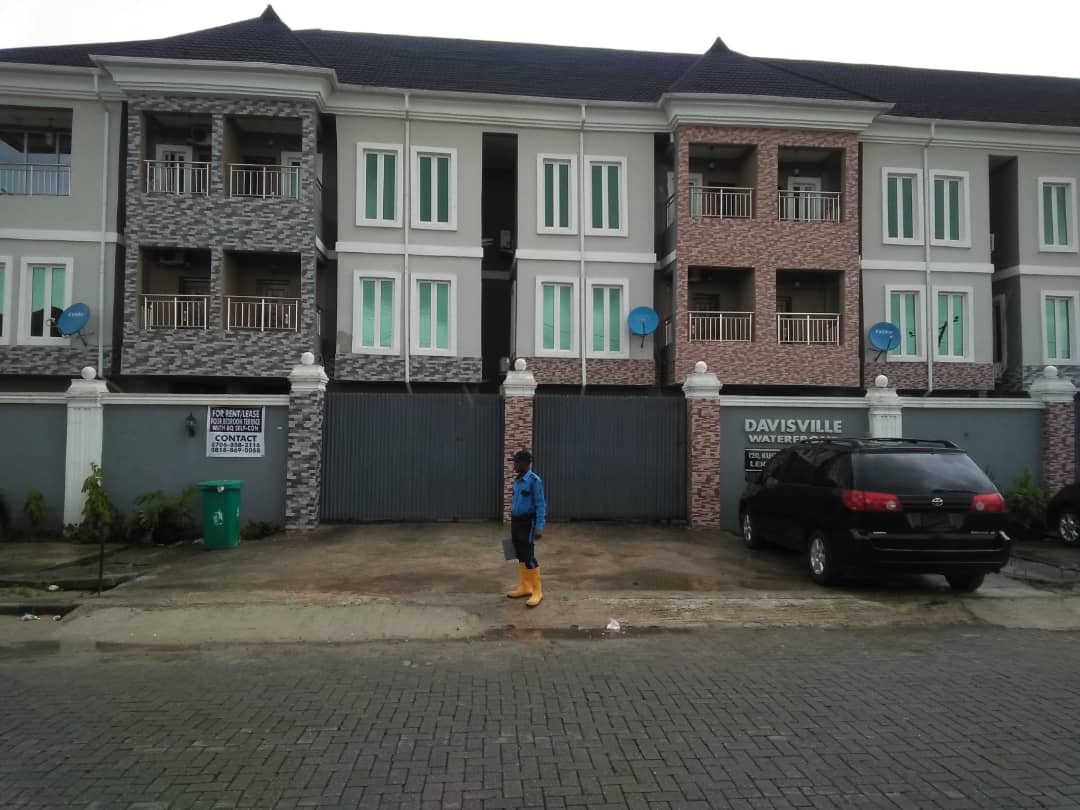
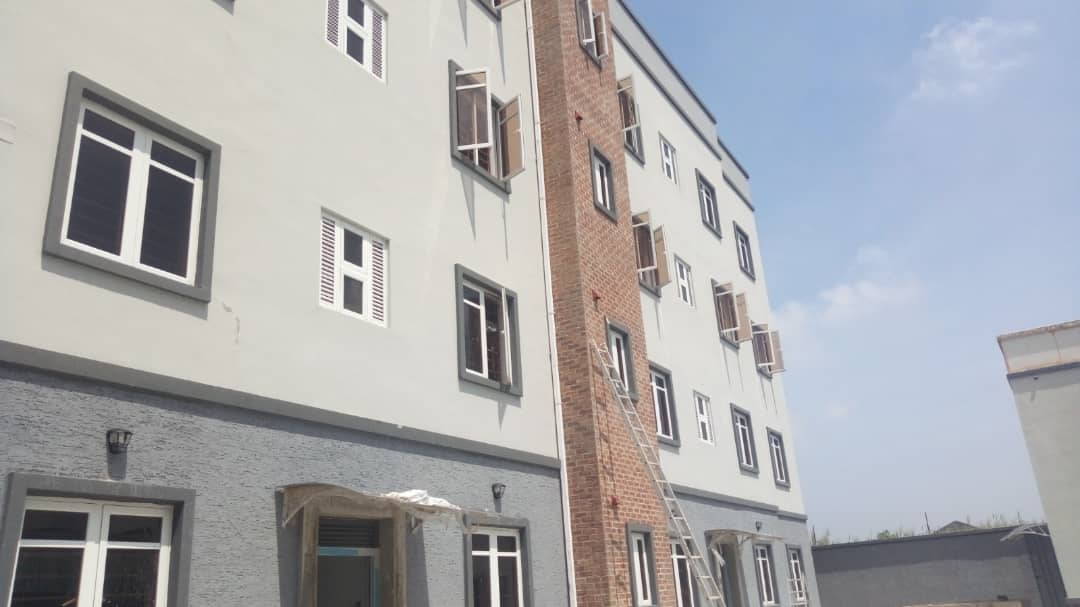
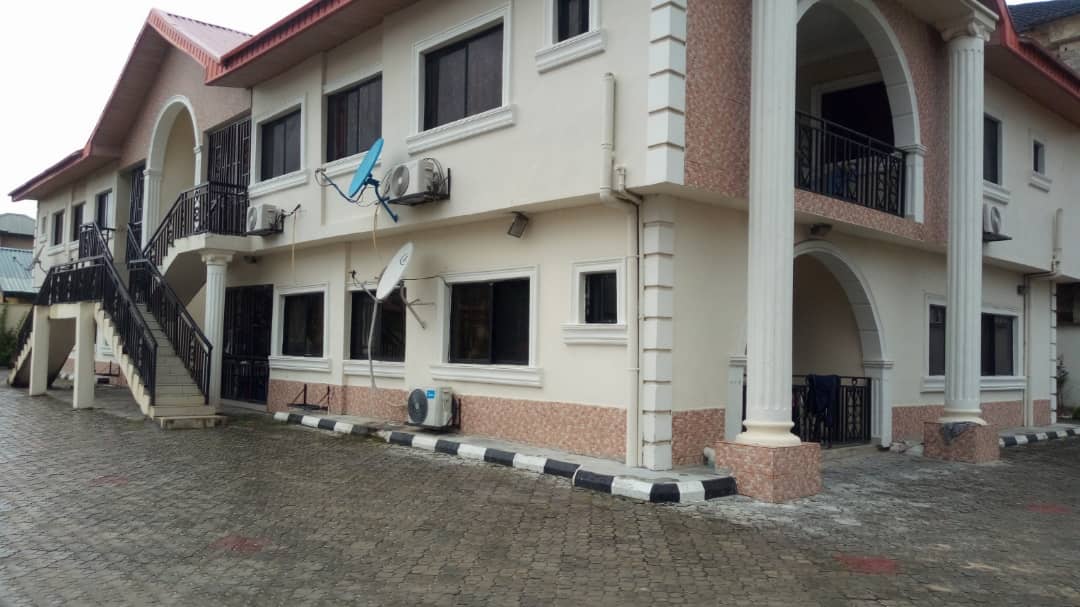
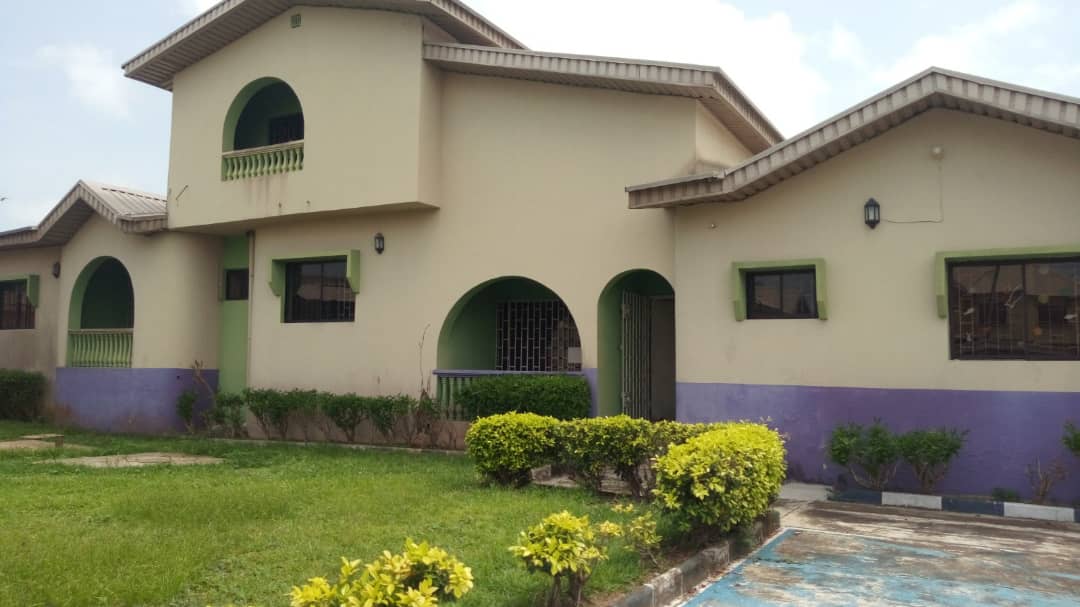
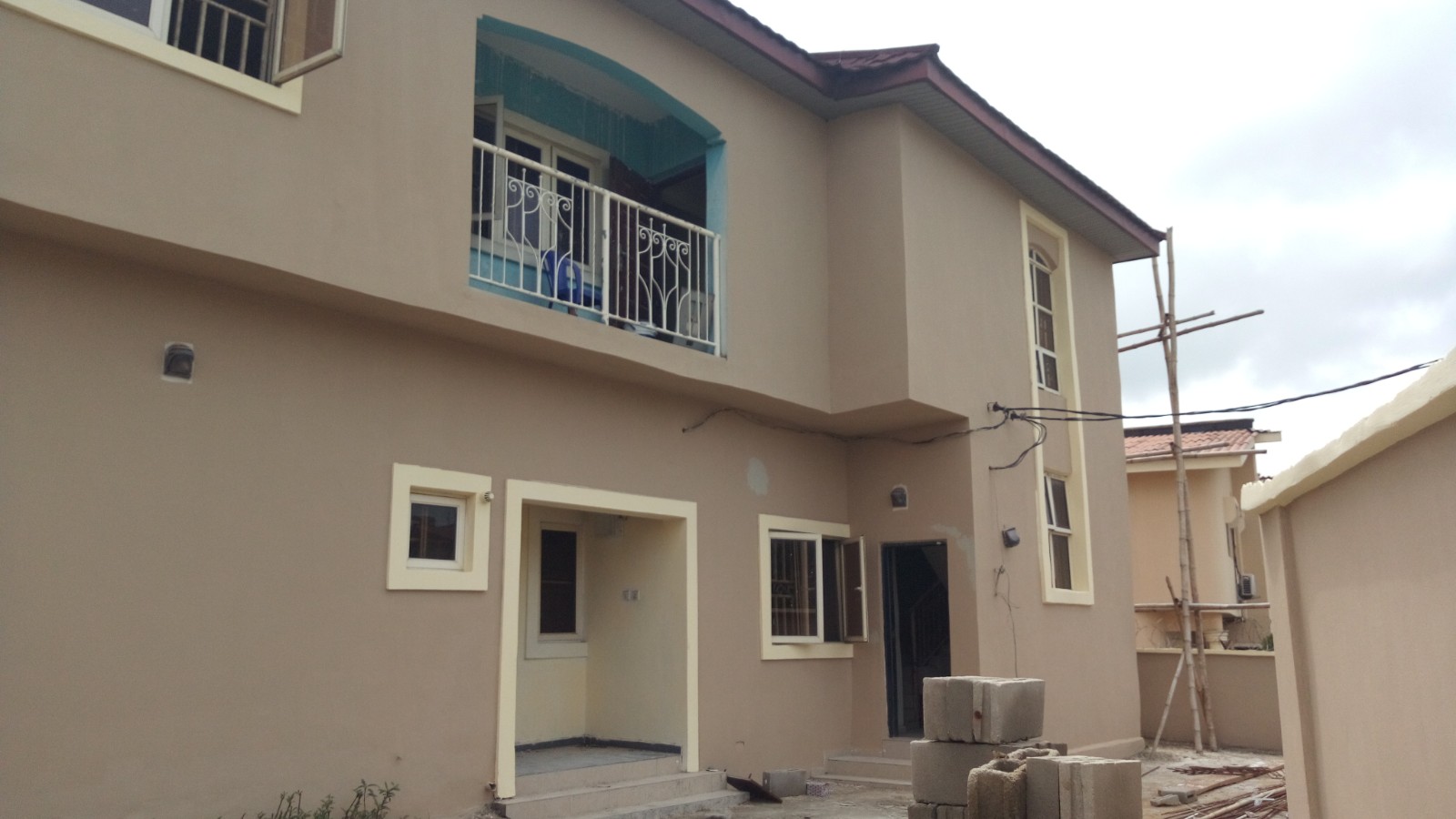
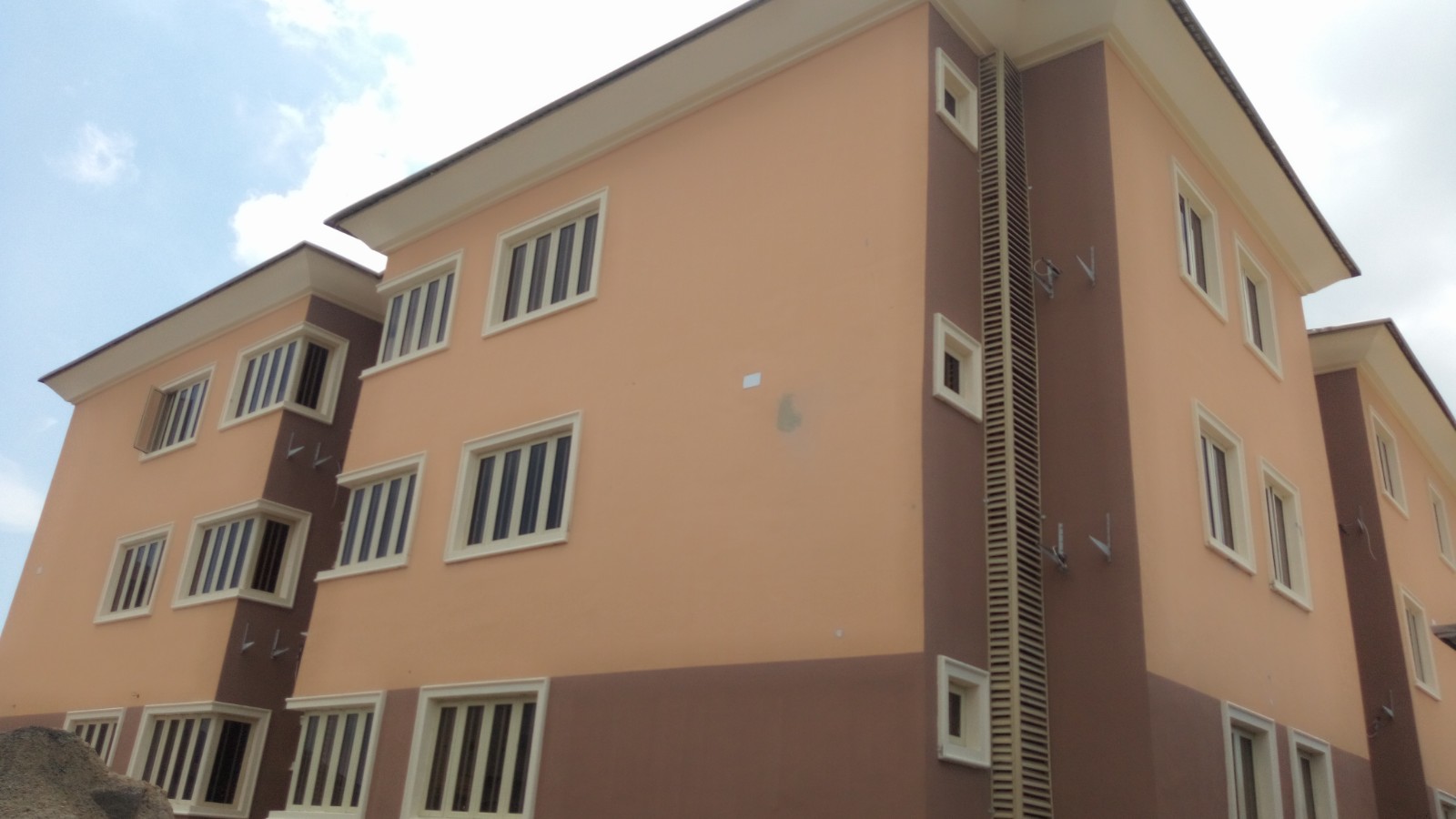
- Residential Real Estate: Includes apartments, townhouses, and detached homes catering to the housing needs of Nigeria's expanding middle class.
- Commercial Real Estate: Offices, retail centers, and industrial properties catering to businesses and industries.
- Hospitality: Hotels and resorts to accommodate tourism and business travelers.
- Mixed-Use Developments: Integrated projects combining residential, commercial, and retail spaces to meet diverse market demands.
Opportunities in Nigerian Real Estate Investing
High Return on Investment
Investing in Nigerian real estate offers the potential for high returns, especially in rapidly developing urban areas where property values appreciate over time.
Diversification
Real estate investments in Nigeria provide diversification benefits, spreading risk across different property types and locations within the country.
Favorable Demographics
With a youthful population and rising middle class, Nigeria presents a growing market for residential housing, retail spaces, and consumer-driven developments.
Government Initiatives
Government policies and incentives, such as mortgage refinancing, infrastructure development, and housing programs, support real estate growth and investment.
Strategic Location
Major cities like Lagos and Abuja serve as economic hubs, attracting businesses, expatriates, and investors seeking prime real estate opportunities.
Considerations for Real Estate Investors
Regulatory Environment
Navigating Nigeria's regulatory landscape requires understanding property laws, land tenure systems, and compliance with local regulations.
Market Volatility
The Nigerian real estate market can be volatile, influenced by economic factors, currency fluctuations, and political stability. Conduct thorough market research and due diligence before investing.
Infrastructure and Utilities
Access to reliable infrastructure, including roads, electricity, water, and telecommunications, impacts property development and investment viability.
Legal Due Diligence
Engage with qualified legal professionals to verify property titles, conduct due diligence, and ensure compliance with land acquisition procedures and regulatory requirements.
Financing Options
Explore financing options available through Nigerian banks, mortgage institutions, and international lenders to fund real estate acquisitions and developments.
Strategies for Successful Real Estate Investment
Research and Analysis
Conduct comprehensive market research, analyze trends, and identify emerging opportunities in high-growth sectors and locations.
Risk Management
Diversify investments across different property types and locations to mitigate risk and capitalize on market opportunities.
Long-Term Perspective
Adopt a long-term investment strategy, focusing on property appreciation, rental income, and sustainable growth in value over time.
Property Management
Implement effective property management practices to maximize occupancy rates, rental yields, and overall return on investment.
Networking and Partnerships
Build relationships with local stakeholders, developers, real estate agents, and legal experts to navigate the market landscape and identify investment opportunities.
Conclusion
Investing in Nigerian real estate offers promising opportunities for investors looking to capitalize on the country's demographic trends, urbanization, and economic growth. By understanding market dynamics, conducting thorough due diligence, and leveraging strategic insights, investors can position themselves to achieve significant returns and contribute to the development of Nigeria's vibrant real estate sector. Whether you're considering residential, commercial, or mixed-use developments, Nigeria's evolving market presents a dynamic landscape ripe for real estate investment.