Lagos State, Nigeria Real Estate Market Outlook (2014 - 2024)
Sep 02, 2024
The real estate market in Lagos, Nigeria, from 2014 to 2024 has experienced notable transformations, shaped by various economic, political, and social dynamics. Below is an overview of the key trends and real-life examples over this period:
Let's break this down into a more conversational and relatable format:
2014 - 2016: The Market Boom
During these years, Lagos was buzzing with real estate activity. The city's reputation as Nigeria's economic hub attracted a lot of interest in both residential and commercial properties. High-end projects like Eko Atlantic City were the talk of the town, drawing in foreign investors eager to be part of Lagos's growing skyline.
However, by 2015, the excitement started to wane. The Nigerian economy hit a rough patch, largely due to a recession and a significant drop in oil prices. This economic downturn led to reduced purchasing power, and the once-booming market began to feel the strain.
2016 - 2018: The Slump and Shift
The 2016 recession was a game-changer. The luxury real estate market took a hit, with projects like those in Banana Island facing slower sales and delays. The Naira's devaluation didn’t help either; it made importing building materials more expensive, which in turn stalled many ongoing projects.
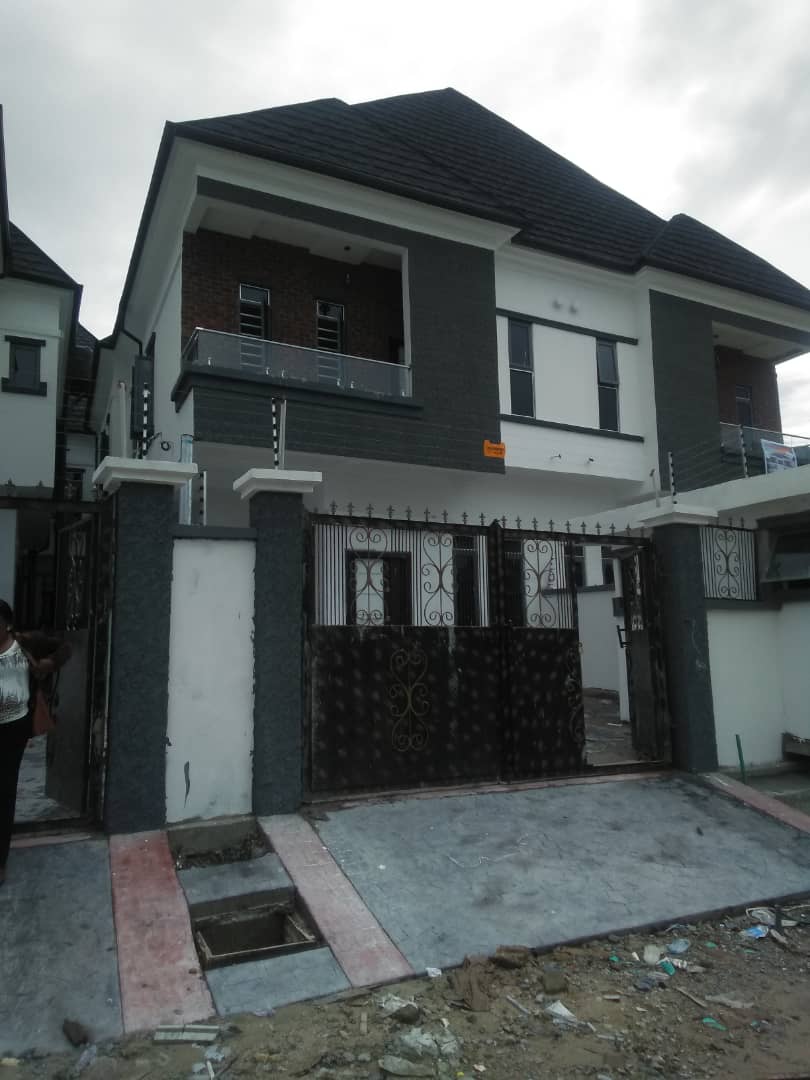
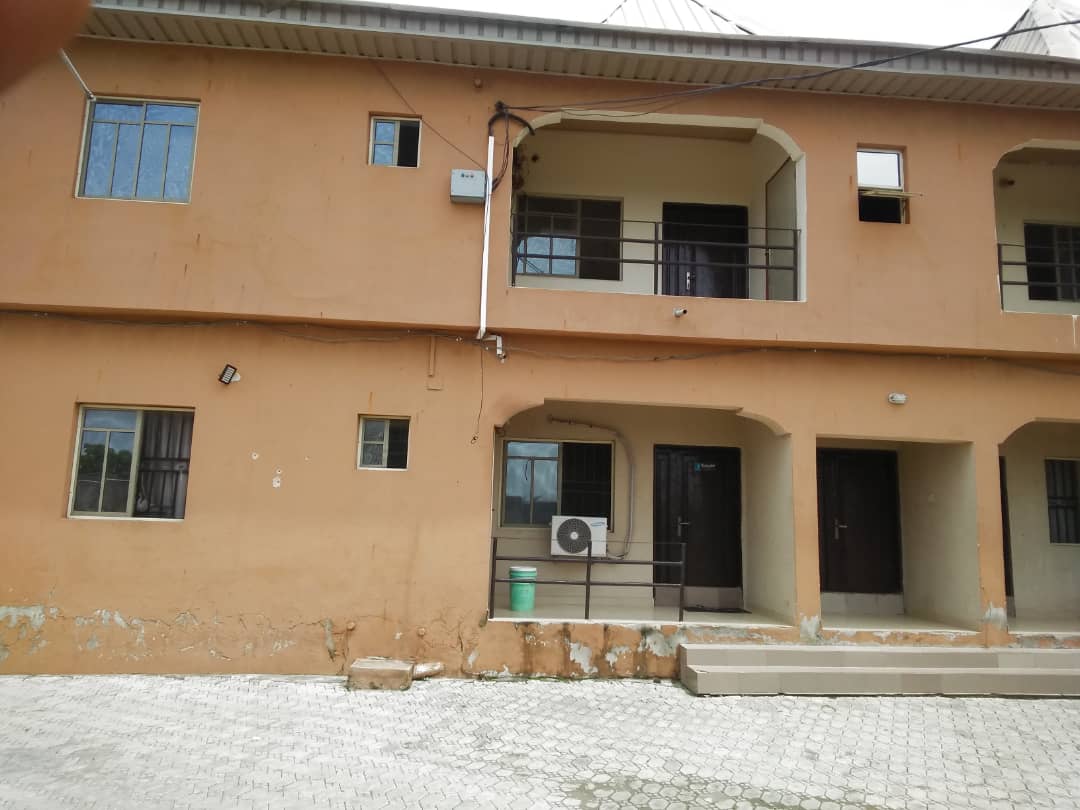
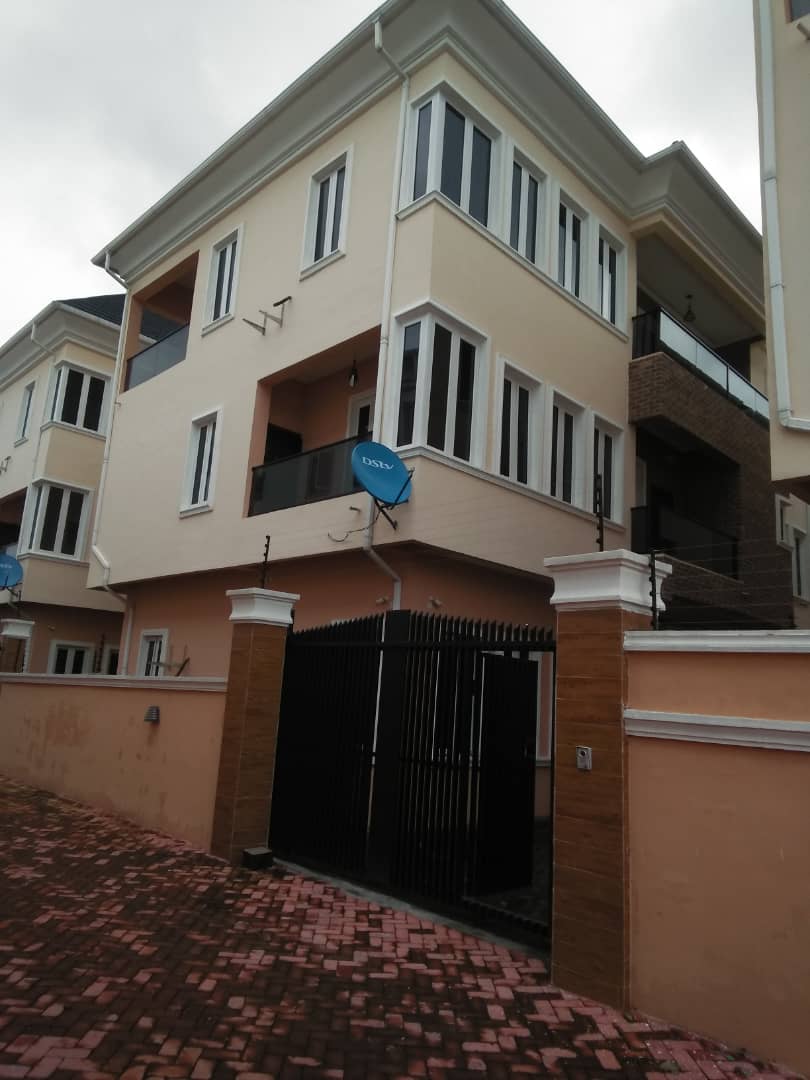
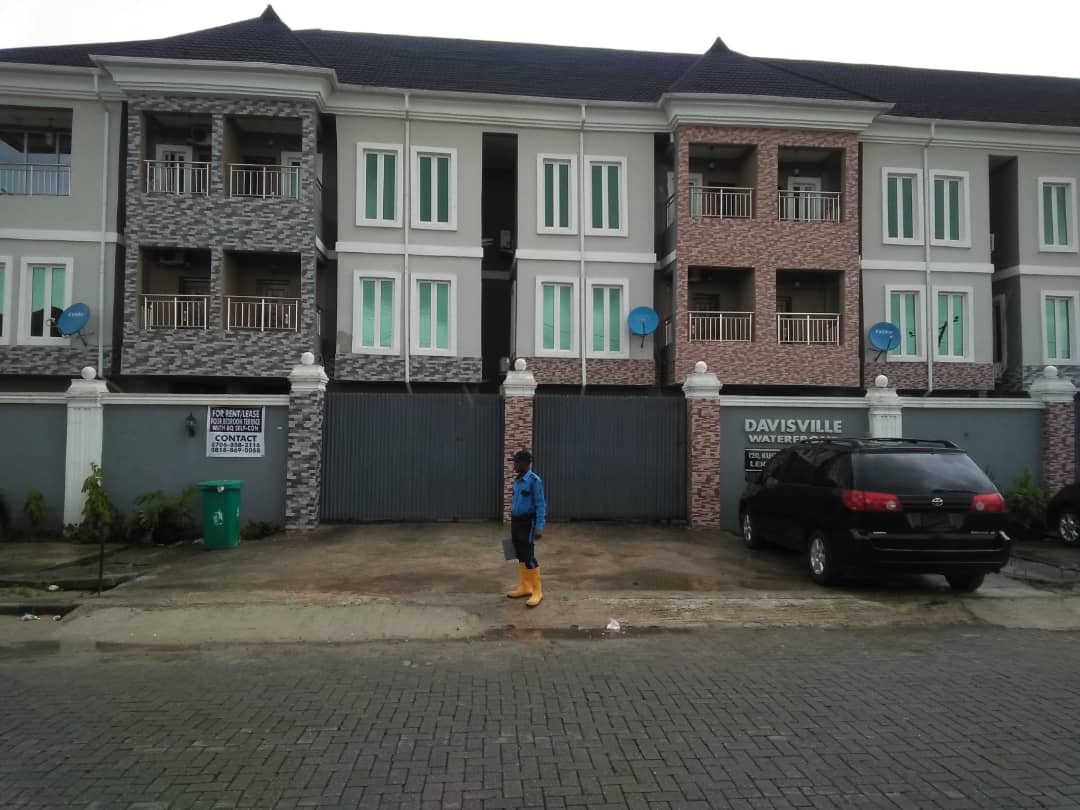
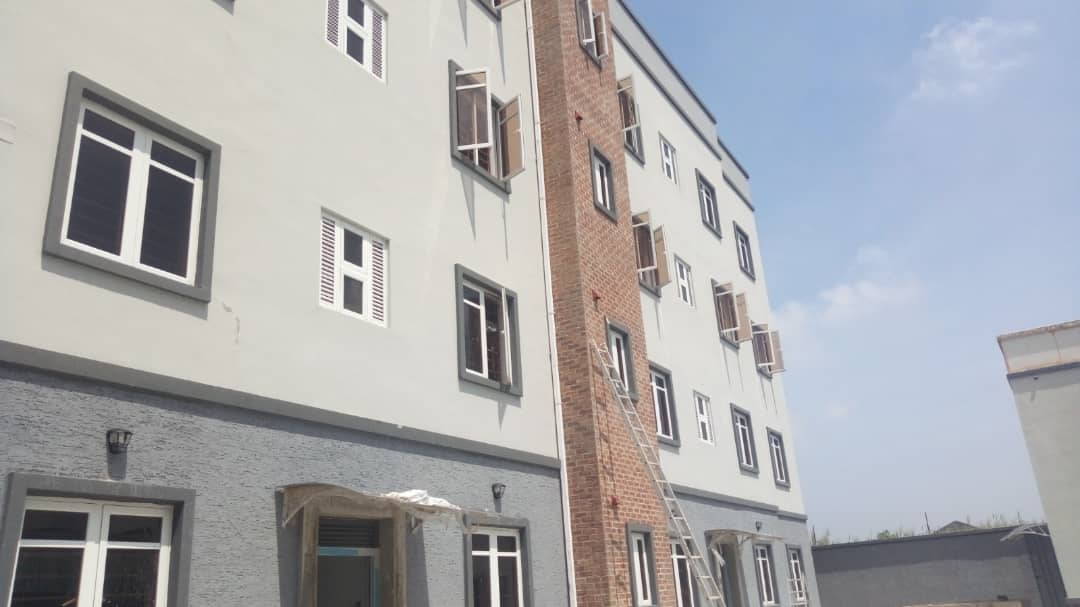
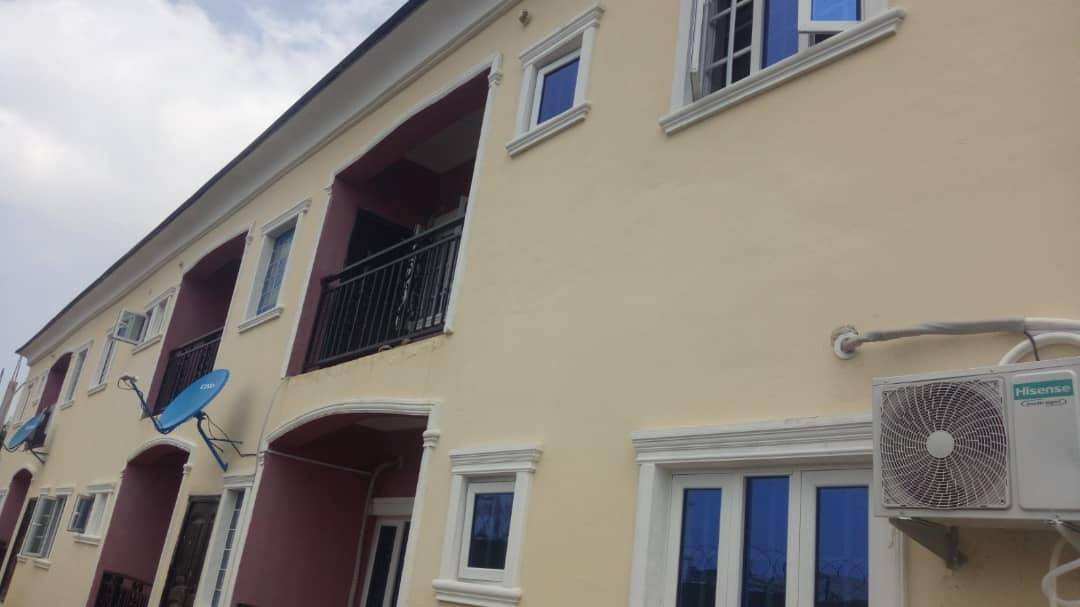
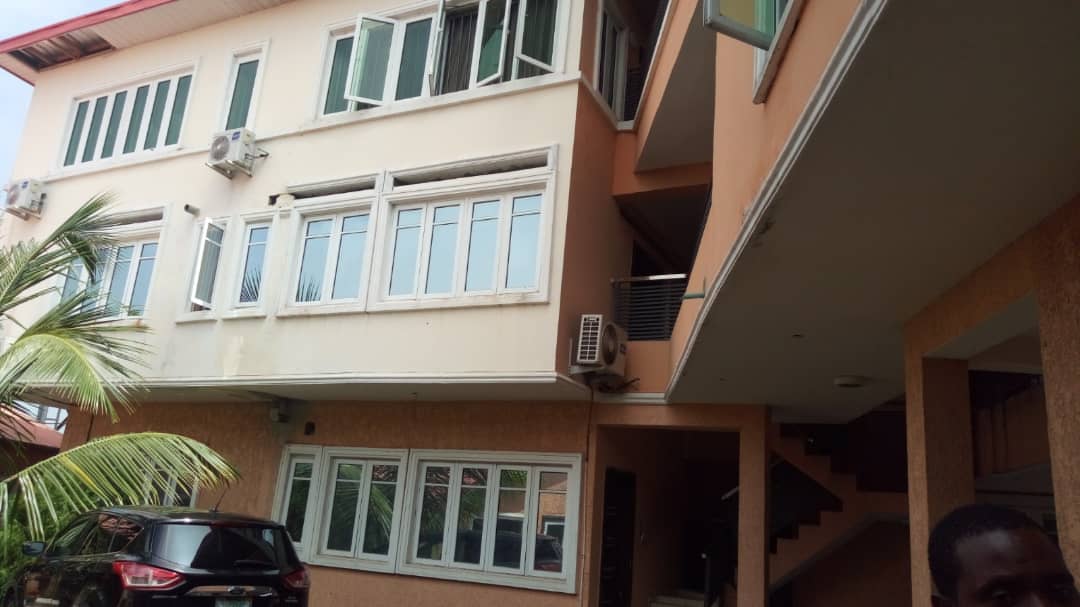
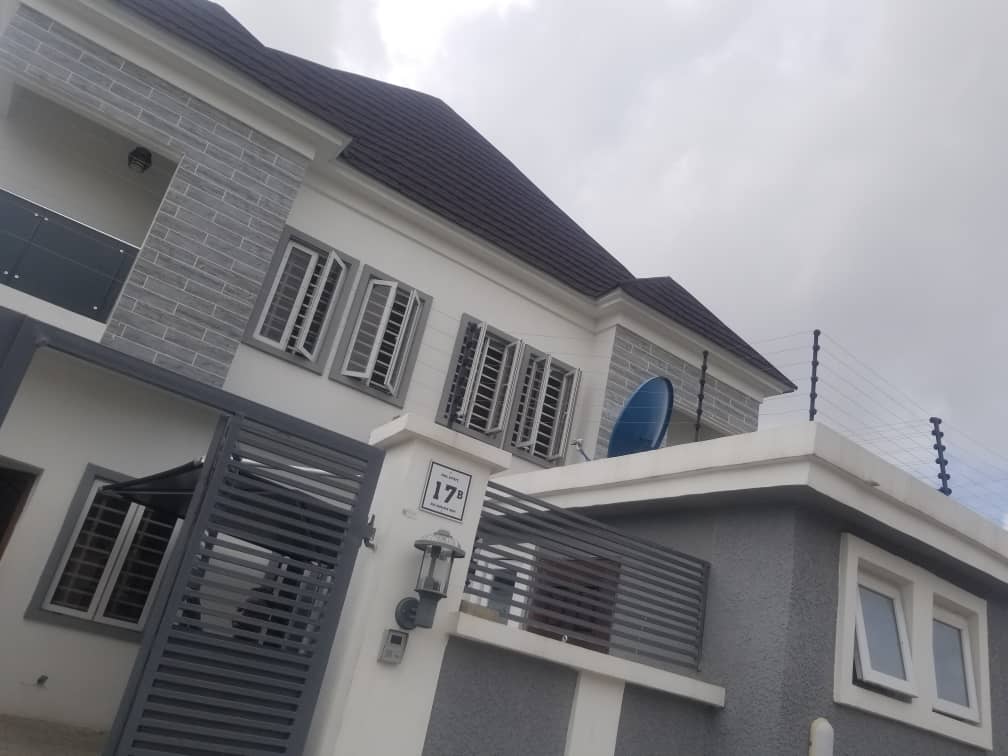
But the market didn’t just sit back and sulk. Developers started shifting their focus toward more affordable housing. This was a smart move, as it tapped into the needs of the growing middle class. Projects like Lekki Gardens became quite popular during this period, offering more budget-friendly options.
2018 - 2020: Slow Recovery
As the Nigerian economy began to stabilize, so did the real estate market. Developers started paying more attention to mid-range housing developments, with places like Amen Estate gaining traction.
There was also a noticeable uptick in the short-let and rental markets, especially in hotspots like Lekki, Ikoyi, and Victoria Island. These areas saw a surge in demand from expatriates and short-term business visitors. The rise of digital platforms like PropertyPro.ng made it easier for people to find properties, signaling a shift towards more tech-savvy real estate transactions.
2020 - 2022: The COVID-19 Effect
The pandemic shook things up in a big way. Construction projects were temporarily halted, and the uncertainty surrounding the economy led to a slowdown in property transactions.
But not all was lost. The shift to remote work sparked interest in mixed-use developments and flexible workspaces. Projects like The Wings Towers in Victoria Island began to cater to this new demand. The PropTech scene also gained momentum, with platforms like Spleet and Fibre becoming go-to solutions for property-related needs.
2022 - 2024: Resurgence and New Opportunities
As the world began to bounce back from the pandemic, so did Lagos's real estate market. The post-pandemic period saw renewed investor confidence, especially in residential and commercial sectors. The Dangote Refinery project in Ibeju-Lekki, for instance, spurred significant interest and investment in the surrounding areas.
Urban expansion continued, particularly in Ibeju-Lekki, where infrastructure developments like the Lekki Free Trade Zone were key drivers. Sustainability also started to become more than just a buzzword, with developers integrating eco-friendly practices into projects like Alaro City.
Despite economic challenges like high inflation and construction costs, the demand for affordable housing remained strong. This ongoing urbanization kept developers busy, with projects like PEN Gardens addressing the needs of Lagos’s growing population.
Looking Ahead:
While Lagos's real estate market has seen its fair share of ups and downs, it remains a dynamic and evolving sector. The challenges are real, but so are the opportunities—especially in affordable housing, short-term rentals, and tech-driven real estate solutions. As Lagos continues to grow and change, so too will its real estate landscape, making it a space full of potential.